
MANGO is worth considering if your ideal wardrobe sits somewhere between relaxed everyday dressing and polished, put-together style. Its appeal is less about building an outfit around a single statement piece and more about finding clothes that can connect different parts of your life: work, weekends, dinners, and the ordinary days in between.
But an appealing outfit photograph is not enough to make a good purchase. The more useful questions are whether a garment fits your proportions, whether its fabric suits your routine, and whether you can wear it with what you already own. This MANGO review takes that product-first approach, looking at where to focus your attention and what to check before ordering.
Review scope: This is an editorial assessment, not a hands-on wear test. Current inventory, prices, individual product specifications, and regional shopping policies have not been verified. Product categories discussed below are shopping considerations, not confirmation that a particular item is available.
Affiliate disclosure: This article contains affiliate links. We may earn a commission if you purchase through them.
What Makes MANGO Worth a Look
MANGO is an established fashion brand associated with contemporary clothing and accessories. From a wardrobe-building perspective, its polished fashion positioning makes it a useful place to explore pieces that feel considered without requiring an elaborate outfit.
The most productive way to approach the brand is with a specific wardrobe gap in mind. That could be a jacket that makes casual trousers feel smarter, a knit that works under your existing coat, or a dress that needs very little styling. Shopping for a role is usually more reliable than shopping for a mood.
That distinction matters because visual coherence does not guarantee consistent fit or quality. Two garments can look equally refined online and behave very differently in use. Fabric composition, construction, lining, and proportions still need to be assessed separately.
You can explore MANGO’s current selection with those priorities in mind, using the styling as inspiration rather than treating a complete photographed outfit as a shopping list.
The Products Worth Evaluating Closely
Blazers and Tailored Trousers
Tailoring is a useful starting point because one well-chosen piece can change how existing clothes look. A blazer might bring structure to a simple top and jeans, while tailored trousers can make a familiar knit feel more intentional.
For a blazer, examine shoulder placement, sleeve length, lapel proportion, and how the front hangs when fastened. An oversized cut should still look deliberate; extra fabric alone is not evidence of a successful fit. If you intend to layer it over knitwear, consider that extra room before choosing a size.
With trousers, look beyond the waist measurement. Rise, hip room, thigh shape, and inseam all affect the result. Check whether the hem length works with the shoes you actually wear. A silhouette styled with heels may fall differently with flat shoes.
Best buying principle: Choose tailoring for its fit and usefulness, not simply because it creates an attractive matching set. Each piece should ideally work on its own.
Knitwear and Everyday Layers
Knitwear can be an effective wardrobe connector, but it is also a category where online appearance leaves important questions unanswered. A photograph cannot reliably establish softness, itchiness, or how well a garment will retain its shape.
Read the full composition and care instructions. Different fibers and blends serve different purposes; a familiar fiber name is not a complete quality assessment. Consider warmth, weight, texture, and how much maintenance you are willing to accept.
Pay attention to the neckline and hem, too. A bulky collar may compete with outerwear, while a very short hem may limit which trousers or skirts you can wear with it. The best everyday knit is one whose proportions solve a problem in your wardrobe rather than introduce another.
Dresses and Separates
A dress can simplify getting ready, provided it fits the situations you are buying it for. Before being drawn in by a striking silhouette, think about sitting, walking, layering, and the undergarments you would need.
Check any available information about lining, closures, stretch, and fabric transparency. Look closely at neckline depth, armholes, and slit placement. These details often determine whether a dress becomes an easy favorite or something that requires constant adjustment.
For skirts and tops, consider the point where the pieces meet. Waistband height and top length can matter more than whether the colors coordinate. Separates become particularly useful when they work across several outfits rather than only as a paired look.
Denim and Casual Foundations
Denim deserves the same scrutiny as tailoring. A broad label such as straight-leg or relaxed does not fully describe how jeans will fit your body. Rise, seat shape, leg width, and length all contribute to the silhouette.
Check the listed composition for stretch, then compare any available measurements with a pair you already like. Do not assume that your usual size will fit identically across cuts. If detailed measurements are missing, that is uncertainty to account for rather than a reason to guess confidently.
For casual tops, look at neckline construction, sleeve shape, opacity, and care requirements. Basics only become good value when you enjoy wearing them repeatedly.
Bags, Shoes, and Finishing Pieces
Accessories can refresh familiar clothing without requiring a larger wardrobe change. However, their usefulness depends on details that can be easy to overlook in styled imagery.
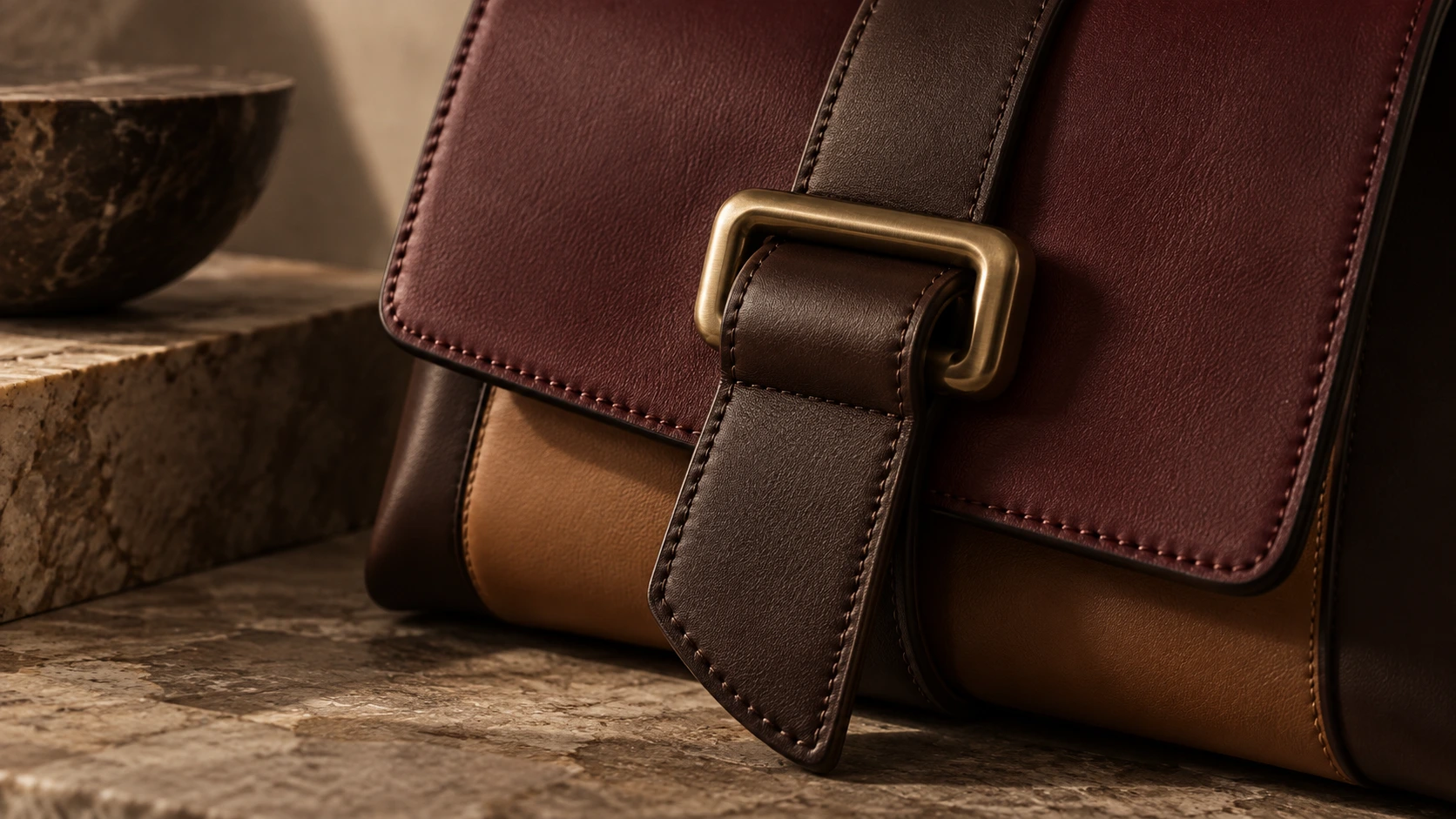
For a bag, check dimensions, closure type, strap information, and the stated material. Think about what you carry every day rather than how much the bag appears to hold. For shoes, review available fit guidance and consider toe shape, fastening, sole construction, and heel height where specified.

Comfort, capacity, and durability should not be inferred from appearance. Treat accessories as functional purchases first and outfit accents second.
How to Judge Quality Without Relying on the Brand Name
A brand-level review cannot establish the quality of every item. The more trustworthy approach is to look for evidence on the individual product page and identify what still needs checking when the item arrives.
- Composition: Read the full fiber or material breakdown rather than relying on a short product name.
- Construction: Inspect available close-ups for seams, hems, closures, and how the garment hangs.
- Lining: Check whether it is mentioned and whether it suits the garment’s purpose.
- Care: Consider the ongoing effort and potential cleaning costs.
- Fit information: Use measurements where available, not just size labels.
- Practical details: Verify pockets, adjustability, and fastening information rather than assuming they are included.
None of these checks guarantees durability. They do, however, provide a better basis for a decision than a polished image or an appealing fabric description alone.
Where MANGO May Fit Your Wardrobe—and Where to Be Cautious
MANGO is most worth exploring if you enjoy contemporary styling and want individual pieces that can move between casual and more dressed-up outfits. It is a sensible browsing option for shoppers who like to compare silhouettes and are comfortable evaluating products one by one.
Be more cautious if you need highly specific technical performance, dependable fit without trying anything on, or documented material credentials. Those requirements need explicit product-level evidence. A brand’s visual identity cannot establish weather protection, ethical certification, or long-term wear performance.
The same caution applies to value. Without comparing current prices and specifications, it would be misleading to call every item a bargain or claim it performs like a more expensive alternative. A useful purchase is one that earns its place through fit, repeat wear, and manageable care—not just its initial price.
A More Practical Way to Shop MANGO
Start by naming the job you need a purchase to do. “A layer for cool office mornings” is more useful than “something smart.” Then identify existing clothes and shoes it needs to work with.
Before checking out, ask yourself:
- Can I create several realistic outfits with pieces I already own?
- Does the fabric suit my climate and daily routine?
- Am I choosing this silhouette because it works for me, or because the styling photograph is persuasive?
- Have I checked the measurements and care instructions that are available?
- Have I reviewed the delivery and return terms shown for my location?
When an order arrives, assess it with your own wardrobe while keeping it in the condition required by the applicable return policy. Try sitting, reaching, and walking. Check how the garment looks in ordinary lighting and whether it works with your intended layers. Do not rely on an uncomfortable fit changing with wear.
The Verdict on MANGO
MANGO is worth a look for shoppers drawn to polished contemporary fashion, particularly when the goal is to add useful pieces rather than replace an entire wardrobe. The strongest approach is selective: find a silhouette that serves a real need, inspect the product details, and judge the fit independently of the styling.
This is not a blanket endorsement of quality, comfort, or value across the range. Those conclusions require evidence about the specific item. It is a recommendation to shop with a clear brief—and to leave behind anything that needs too many compromises.
If that approach matches how you want to build your wardrobe, browse MANGO for your next wardrobe addition. Look for the piece that makes clothes you already own easier to wear. That is a more meaningful success than simply recreating an attractive photograph.